Wildfire Smoke Is Here: Is Your Home Letting It In?
If you’ve stepped outside this week, you’ve felt it. Hazy skies, a smell of smoke, and another air quality alert on your phone. When wildfire smoke, summer ozone, and heavy pollen roll into Northern Virginia, most of us think about staying indoors. But here’s what many homeowners never consider: how much of that outdoor air is getting into your home depends almost entirely on how your roof, siding, windows, and doors were installed.
In this guide, you’ll learn what’s really in Northern Virginia’s air, how it gets inside your home, and how a quality exterior installation keeps more of it out than a cut-rate one.
Air Quality Alert: Happening Now: As of this week, the Virginia Department of Environmental Quality has issued a Code Orange Air Quality Alert for Prince William, Fairfax, Loudoun, Arlington, and Stafford as Canadian wildfire smoke moves into our region, with forecasters warning conditions could climb to Code Red. Paired with 90°-plus heat and heat indices near 105, that smoke is loading our outdoor air with fine particles small enough to reach deep into your lungs. Code Orange already means the air is unhealthy for children, older adults, and anyone with asthma or a heart or lung condition. On a day like today, the real question isn’t just what’s in the air outside: it’s how much of it your home is letting in.
Quick Answer: Can Your Home’s Exterior Really Affect Your Indoor Air?
Yes. A large share of outdoor air pollution ends up inside your home, and it gets there through the exterior. During heavy smoke events, studies have found that roughly half or more of the fine particles outside work their way into a typical house. Every gap around a window, every unsealed roof penetration, and every stretch of siding installed without a proper barrier behind it is a path for outdoor air (and the smoke, pollen, dust, and moisture it carries) to leak inside. A tighter, properly installed exterior keeps more of it out.
What’s Actually in Our Air Here
Northern Virginia sits in one of the tougher regions in the country for outdoor air. Homeowners in Prince William, Fairfax, Loudoun, Arlington, and Stafford regularly deal with a mix of:
- Heavy seasonal pollen. Oak, maple, and grass pollen blanket the region every spring and again in late summer. The DC metro is consistently ranked among the harder places in the country to live with allergies.
- Summer ozone and smog. Fairfax and Arlington have received failing ozone grades from the American Lung Association, with the worst days running May through September.
- Wildfire smoke. Canadian wildfire smoke keeps pouring into the DMV (including the Code Orange event happening right now) spiking fine-particle pollution for days at a time.
- High humidity. Our long, humid summers push warm, moisture-laden air against your home for months on end.
How That Air Gets Into Your Home
Your home’s exterior is a barrier, and how well it’s installed decides how much of the outside makes it inside. Outdoor air doesn’t just come through open windows. It seeps in through gaps around window and door frames, unsealed penetrations in the roof, and walls that were never given a proper moisture and air barrier behind the siding.
The tighter and better-built that exterior shell is, the less outdoor air (and the less pollen, smoke, dust, and moisture) makes it into the rooms where your family spends its time. It also means your HVAC system and filters aren’t fighting a losing battle against air leaking in from every direction.
How Sunshine Installs to Keep the Outside Out
The product matters, but the installation is what actually protects your indoor air. Here’s what we do on every project that a rushed install skips.
Roofing and Balanced Attic Ventilation
A roof that can’t breathe traps hot, humid air in your attic, and trapped moisture is where mold and mildew start: one of the most common hidden causes of poor indoor air. We design balanced attic ventilation so intake and exhaust are matched, moisture escapes, and your attic stays dry. Our flashing systems seal every penetration so nothing works its way in around vents, chimneys, and valleys.
Siding With a Real Weather-Resistive Barrier
Good siding is only as good as what’s behind it. We install a proper weather-resistive barrier and house wrap under the siding: a continuous air and moisture barrier that blocks wind-driven pollen, dust, and rain before it ever reaches your walls. Cut-rate installs that go straight over old material skip this step entirely.
Windows and Doors Sealed and Flashed Right
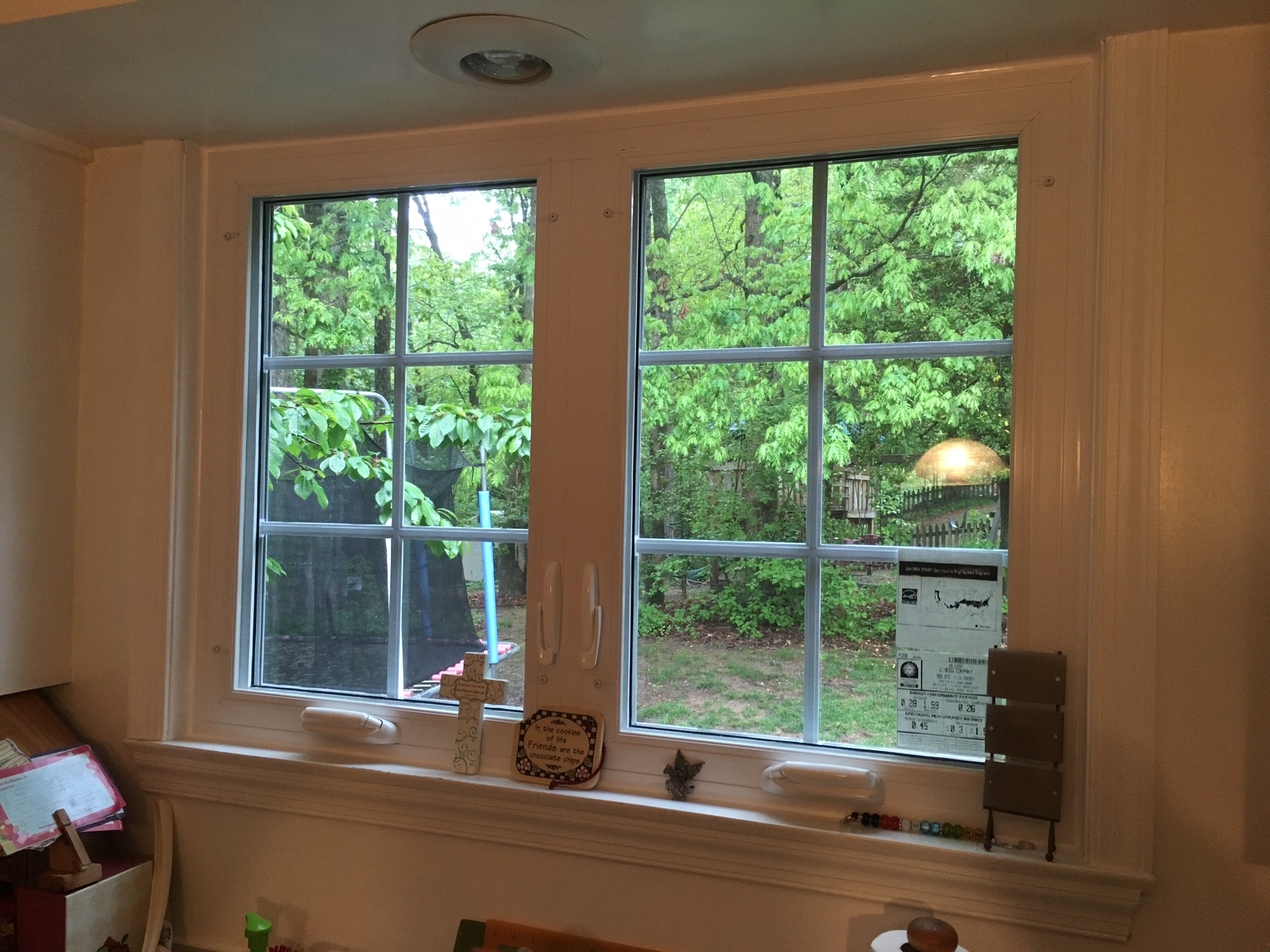
The rough opening around every window and door is a prime spot for air to leak in. We flash, seal, and insulate each opening properly (not a quick bead of foam and done), so you get a tight, lasting seal against outside air and drafts.
Trim, Capping, and Every Gap in Between
Air finds the weakest point. Our maintenance-free trim and capping and sealed gutter and downspout details close the small gaps that add up to real air infiltration over the life of your home.
The Difference Is in the Details Other Contractors Skip
Two homes can get the same brand of siding or shingles and end up with completely different results. The difference is the work you don’t see once the job is done:
- A continuous weather barrier behind the siding, not siding nailed over the old surface.
- Attic ventilation that’s actually balanced, not an exhaust vent added with no matching intake.
- Windows and doors flashed and sealed into the opening, not shimmed in and foamed over.
- Every roof penetration properly flashed, not caulked and hoped for.
These are the steps that keep outdoor air, pollen, and moisture where they belong: outside. They take more time and more care, and they’re exactly the steps a low-bid, fast-turnaround crew leaves out.
Why Choose Sunshine Contracting?
Since 1993, Sunshine Contracting has been Northern Virginia’s Exterior Experts for Everything Under the Sun. We’re a GAF Master Elite roofer and a James Hardie Elite Preferred contractor: certifications held by only a small percentage of contractors nationwide, and earned specifically for installation quality. Our licensed, insured crews stand behind a 10-year labor and workmanship warranty, because the way we install is the whole point.
Rather than treating every home the same, we evaluate your roofline, siding, windows, doors, and ventilation before recommending what your home actually needs to seal out the elements.
Frequently Asked Questions
Can my roof and siding really affect the air inside my home?
Yes. Your home’s exterior is the barrier between indoor and outdoor air. When siding, roofing, windows, and doors are installed with proper air and moisture barriers, far less outdoor air (along with the pollen, smoke, and dust it carries) leaks inside.
Does a well-sealed home help on wildfire smoke or Code Orange days?
It helps. A significant portion of outdoor fine particles infiltrates a typical home during smoke events, largely through gaps and leaks in the exterior. A tighter, properly installed envelope reduces how much gets in and makes your HVAC filtration far more effective.
What part of the installation matters most for indoor air quality?
There isn’t a single part: it’s the combination. A continuous weather-resistive barrier behind the siding, properly flashed and sealed windows and doors, sealed roof penetrations, and balanced attic ventilation all work together to control air and moisture.
Can poor attic ventilation cause indoor air problems?
Yes. An attic that can’t breathe traps heat and humidity, which leads to moisture buildup, mold, and mildew: all of which can affect the air quality throughout your home. Balanced ventilation keeps the attic dry.
Will new windows and doors help with allergies and dust?
Properly installed windows and doors seal the openings where outdoor air, pollen, and dust commonly leak in. Combined with a tight exterior, they help reduce the amount of allergens making their way indoors.
Proudly Serving Northern Virginia
Sunshine Contracting proudly serves homeowners throughout Northern Virginia, including Fairfax County, Prince William County, Loudoun County, Arlington County, Alexandria, Stafford County, and many surrounding communities.
Not sure if we service your neighborhood? View our complete service area here.
Protect What Your Family Breathes
When the next air quality alert hits, the tightness of your home’s exterior is one of the few things you actually control. Contact Sunshine Contracting today to schedule your free, no-obligation consultation. We’ll assess your roof, siding, windows, doors, and ventilation, and recommend the right solution to seal your home against Northern Virginia’s air.