James Hardie Siding Cost in Northern Virginia (2026 Guide)
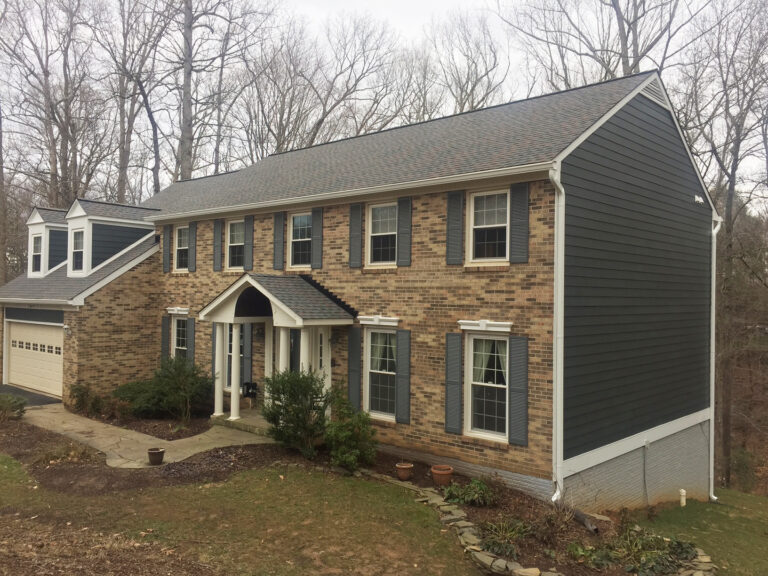
James Hardie fiber cement siding typically costs $18,000 to $45,000 installed on a single-family home in Northern Virginia, which works out to roughly $12 to $20 per square foot depending on the house and the scope. That is real money, and this guide exists so you can see what is inside that range before anyone is standing in your living room: what drives Hardie pricing, what the warranty actually covers, and when the premium over vinyl is worth paying.
Planning a siding project? See our siding installation in Northern Virginia, or request a free estimate.
James Hardie cost at a glance
| Project | Typical installed range |
|---|---|
| Single-family home, whole house | $18,000 – $45,000 |
| Per square foot | $12 – $20 |
| Smaller or simpler homes | Below these ranges |
These ranges come from the Hardie projects we install across Northern Virginia, and they cover the complete job: tear-off, disposal, house wrap, flashing, siding, agreed trim scope, and cleanup. Sit down with us once, at your house, and the range becomes a firm written price. For how Hardie compares against vinyl on the same house, our siding replacement cost guide puts the two side by side.
What moves a Hardie quote
Size, stories, and how cut-up the house is
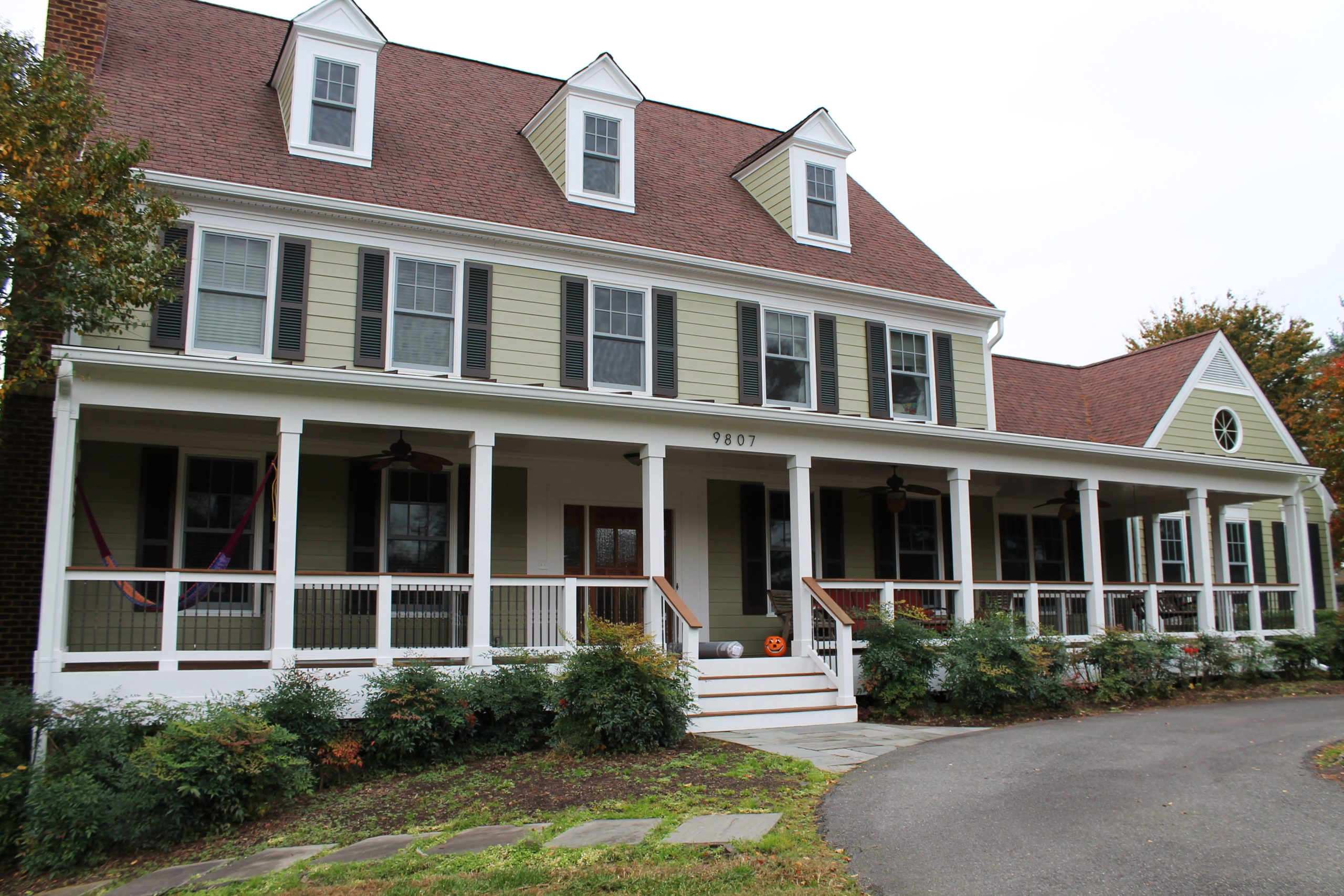
Square footage sets the base, but the shape of the house matters almost as much with fiber cement. Gables, dormers, bays, and mixed rooflines mean more cuts, more flashing, and more time. Hardie is heavy and rigid, so every one of those cuts is slower than the same cut in vinyl, and the labor shows up in the price.
Profile and style choices
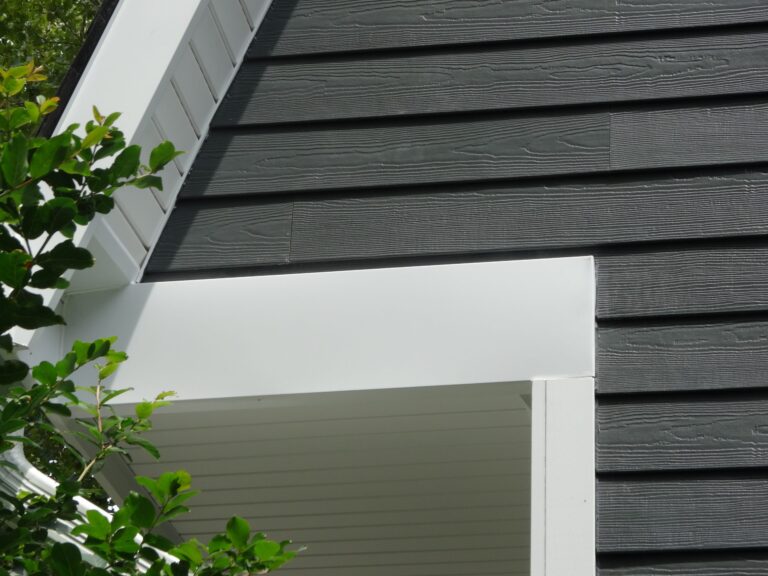
HardiePlank lap siding is the workhorse. HardieShingle, HardiePanel vertical siding, and mixed designs that combine profiles cost more in both material and labor. Trim, soffit, and accent work add to the total, and they are usually worth planning together with the siding rather than bolting on later, since the crew and staging are already there.
Color: ColorPlus or field-painted
Hardie’s ColorPlus finish is baked on at the factory and carries its own 15-year limited finish warranty against peeling, cracking, and chipping. Primed board painted on site costs less in material and opens up any paint color, but the finish then lives on your repaint schedule instead of the factory’s. Many of our customers choose ColorPlus and stop thinking about paint for a long time.
What is behind the old siding
Tear-off occasionally uncovers sheathing rot or old moisture damage that has to be repaired before new siding goes on. Rot does not get covered; it gets repaired, because fiber cement over a bad wall is just an expensive way to hide a problem. This is the one line item nobody can price from the street, and it is why our number comes after we have examined your actual walls.
Why installation quality decides whether Hardie is worth it
Fiber cement performs for decades when it is installed the way James Hardie specifies, and punishes shortcuts. Overdriven nails crush the board. Butt joints need flashing behind them. Cut edges need sealing. The bottom edge wants real clearance from the ground and from roof surfaces so the board cannot wick moisture. None of this is exotic; all of it takes time, and time is the first thing a lowball bid quietly removes.
This is also why certification matters more with Hardie than with almost any other siding. We are a James Hardie Elite Preferred contractor, a status Hardie reserves for installers held to its highest standards, including a 90 percent or higher homeowner recommendation rating, and we are the #1 James Hardie siding installer in Virginia. Our crews are our own, factory-trained, not subcontractors, and they hang Hardie every week.

What the warranty actually covers
HardiePlank lap, HardiePanel vertical, HardieShingle, and HardieSoffit carry a 30-year non-prorated transferable limited warranty on the substrate. Non-prorated is the part worth noticing: the coverage does not shrink every year the way many siding warranties do. The ColorPlus finish carries its separate 15-year limited finish warranty. On top of the manufacturer coverage, every siding and trim job we do is backed by our own 10-year workmanship warranty. We put all of it in writing rather than summarizing it at the kitchen table.
Is Hardie worth the premium over vinyl?
Often, but not always. We install both, so the recommendation follows your house and your plans, not a sales target. Hardie earns its price when you plan to stay long-term, when the neighborhood norm is fiber cement and resale buyers expect it, and on houses that take real weather. It looks and feels closer to wood than any vinyl, holds paint exceptionally well, and does not interest woodpeckers or squirrels. National cost-versus-value studies consistently rank fiber cement siding among the strongest returns of any exterior project. If budget leads, though, quality vinyl installed correctly is a better project than Hardie stretched too thin, and we will say so at your kitchen table.
How a Hardie project actually runs
Siding and trim jobs average about 4 to 6 days depending on the size of the house. Tear-off comes first and is the loudest part. If the sheathing underneath needs repair, that happens next, in daylight, where you can see it, not buried under new board. Then house wrap, flashing, siding, and trim, in that order, and all debris leaves with us at the end. The crew on your house is our own, the same model we have run since 1993.
Budgeting a Hardie project
The whole-house number is real, but it is not the only shape a Hardie project takes. Hardie on the street-facing and weather-facing sides with matched vinyl on the rest is a combination we quote regularly, and splitting the work across two seasons is another. Financing can spread the investment out, and the details are part of the estimate conversation. Tell us the number you are working with and we will tell you honestly what it buys.
James Hardie cost FAQs
How much does James Hardie siding cost in Northern Virginia?
Most whole-house Hardie projects run $18,000 to $45,000 installed, roughly $12 to $20 per square foot, while smaller and simpler homes often land under the low end. House size and shape, profile and color choices, trim scope, and any repairs uncovered at tear-off move the number. An in-home visit turns the range into your number.
Why is James Hardie more expensive than vinyl?
The material itself costs more, and the installation is slower and less forgiving: fiber cement is heavy, every cut takes longer, joints need flashing, and edges need sealing. You are paying for a thicker, more durable board and for the labor to install it the way the manufacturer specifies, which is what the 30-year warranty assumes.
How long does James Hardie siding last?
Installed correctly, fiber cement routinely performs for decades. The substrate carries a 30-year non-prorated transferable limited warranty, the ColorPlus finish a 15-year limited finish warranty, and our workmanship a 10-year warranty on top. The practical answer for most homeowners is that it is the last siding they buy for that house.
Get your Hardie number
Schedule a free consultation. We measure the house, walk through profiles and colors, and leave a firm written price that does not change under pressure. The written price covers everything we can see and measure. If tear-off uncovers rotted sheathing or framing, that repair is priced at the per-unit rate written on your contract and approved by you before we continue. Serving all of Northern Virginia from Woodbridge since 1993.