Top-rated4.9 from 999+ verified customers
Casement Windows: Full Airflow, Tight Seal
A casement is hinged on the side and cranks open like a door. The whole sash opens for air, and when it locks it presses against the frame, which is why it leaks less air than a slider. Every window we install carries a lifetime warranty, with workmanship covered in full.
Get my window replacement estimate or call (703) 499-8654
Replacement projects only.
What is a casement window?
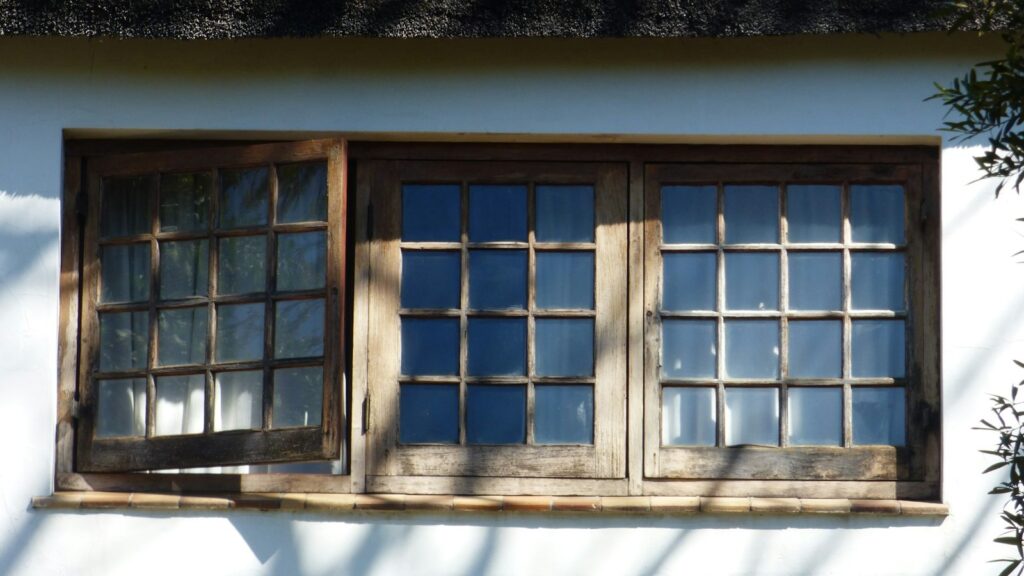
A casement window is hinged on the left or right side and swings outward when you turn a crank at the bottom of the frame. There is no meeting rail across the middle, so the whole opening is glass when it is closed and open air when it is open.
They come as a single unit or joined side by side in 2-lite, 3-lite and larger groupings, often with a fixed picture window in the middle. The close cousin is the awning window, hinged at the top; we cover those on our basement and awning windows page.
Where do casement windows make the most sense?
Anywhere a window is hard to reach or you want as much air as possible. The classic spot is over the kitchen sink, where turning a crank beats leaning over the counter to push up a sash.
- Kitchens and baths: easy to open from a distance, and the full sash swings out to catch a breeze.
- Tall, narrow openings: beside a fireplace, for example, where a casement fits the proportions.
- Bedrooms where egress matters: a casement opens its full width, so it reaches the clear opening that the residential code’s emergency escape rules require with a smaller frame than a double-hung needs.
Where they fit poorly: next to a deck, porch or walkway where the open sash sticks into the path, and any room where you plan to run a window air conditioner, which needs a sash that slides.
Are casement windows more energy efficient?
On air leakage, generally yes. The U.S. Department of Energy notes that casements leak less air than sliding windows because the sash closes by pressing against the frame. Locking it pulls the sash tight against the weatherstripping, which you notice on a windy January day.
The glass and frame still decide most of the performance, so compare the NFRC label for the exact window being quoted. Lower U-factor means better insulation; lower Solar Heat Gain Coefficient means less solar heat coming in. ENERGY STAR’s window guidance explains how to read the label.
Can you replace a double-hung window with a casement?
Usually, yes, in the same opening. The bigger question is the look from the street, because a casement has no horizontal rail across the middle.
If you want the casement’s operation with a traditional face, some product lines solve that. Sunrise, for example, offers a simulated meeting rail for its casement and awning windows so they line up with the double-hung windows around them, and grids can match the rest of the house. If an HOA has to approve the change, it works the same as any window project. We supply the product data sheets and manufacturer color names. We work closely with the committees, we have a great relationship with plenty of HOAs in the area, and it has never been a problem for us.
What wears out on a casement window?
The moving parts: the crank operator, the hinges, and the weatherstripping the sash presses against.
Two everyday details to know: the screen mounts on the inside, since the sash swings out, and you can take it down from indoors without a ladder. And close casements before a thunderstorm, because an open sash catches wind like a sail.
What warranty comes with new casement windows?
A lifetime warranty, with workmanship covered in full. The glass and the mechanical parts, including the crank and hinges, are covered by the manufacturer’s own warranty, which varies by brand and product line, and we show you the actual terms for the window you are considering. See our window warranties page for the details.
Can you fix the crank on my old casement?
No. Sunshine Contracting is a replacement company, and we do not take window repair jobs, except warranty service on windows we installed. If a crank has stripped or a seal has fogged on an old unit, a hardware or glass shop is the right call for a single fix. If several windows are failing, that is when replacement starts to make sense.
What do casement windows cost in Northern Virginia?
More than standard double-hung windows, partly because of the crank and hinge hardware. Brand, frame material, size, glass package and whether the job is insert or full-frame move the number.
Our replacement window cost guide shows typical ranges and what drives them, and there are other options too, so reach out with what you have in mind. Financing is available with approved credit. For other styles, see the best window styles for Northern Virginia homes or all of our replacement windows.
Casement window questions homeowners ask us
Are casement windows more expensive than double-hung?
Yes, as a rule. A casement usually prices above a double-hung of similar size and brand, partly because of its crank and hinge hardware. The free estimate gets you a written price for your actual openings, and it does not change at the kitchen table.
Are casement windows more energy efficient?
They usually leak less air than sliding and double-hung windows, because the sash locks by pressing against the frame. Insulating value still comes mostly from the glass package and frame, so compare U-factor and Solar Heat Gain Coefficient on the NFRC label for the exact window you are quoted.
Can I replace my double-hung windows with casements?
Usually, in the same opening. The trade-off is appearance, since a casement has no center rail, but simulated meeting rails and matching grids on some product lines can keep the outside of the house consistent. Avoid casements where an open sash would swing into a deck or walkway, or where you need a window air conditioner.
Request a free casement window estimate or call (703) 499-8654.
The casement windows we install
Every option below is a product we actually install on Northern Virginia homes. Open any one for the details.
Need replacement windows?
Free at-home consultation, a real number, and no pressure to decide on the spot.