Replacement Windows: What to Expect (Timeline, Process, and Cost Factors)
Drafty rooms, rising energy bills, and windows that stick or won’t stay open are more than everyday annoyances. They are often signs that your windows are no longer performing the way they should. If you are considering replacement windows, knowing how the process works and what impacts the cost can help you move forward with confidence.
How the Window Replacement Process Begins
Every project starts with an in-home consultation. This is where a professional evaluates your current windows, identifies any issues such as air leaks or frame damage, and discusses your goals. Some homeowners are focused on improving efficiency, while others want to update the look of their home or reduce outside noise.
During this stage, you will review window styles, frame materials, and glass options. Choices like double-hung, casement, sliding, or picture windows all offer different benefits. Energy-efficient upgrades such as low-E glass or insulated frames can also be explored. Once selections are made, precise measurements are taken to ensure a proper fit.
Timeline: From Order to Installation
Unlike off-the-shelf products, replacement windows are typically custom manufactured to match your home. After measurements are finalized and the order is placed, production begins.
Most homeowners can expect a waiting period of about three to six weeks, depending on the manufacturer and the complexity of the order. Once the windows arrive, installation is scheduled at a convenient time.
The installation itself is usually quicker than expected. In many cases, a professional crew can install several windows in one day. A full-home replacement may take one to two days, depending on the number of windows and any structural adjustments needed.
What Happens During Installation
On installation day, the crew prepares the work areas by covering floors and protecting nearby furniture. Each window is replaced one at a time to limit exposure to outdoor elements.
The old window is carefully removed, and the opening is inspected for any damage. If needed, minor repairs are made to ensure a solid base for the new window. The replacement unit is then set into place, leveled, and secured.
To improve energy performance, insulation is added around the frame, and the edges are sealed to prevent air and moisture infiltration. After installation, trim is adjusted as needed, and the window is tested to confirm smooth operation and a proper seal. The crew finishes by cleaning up the workspace, leaving your home in good condition.
Key Factors That Affect Cost
Window replacement costs can vary significantly based on several factors. Understanding these can help you plan your budget more effectively.
Number of Windows
The total number of windows being replaced is one of the biggest cost drivers. Larger projects naturally require more materials and labor.
Window Style and Size
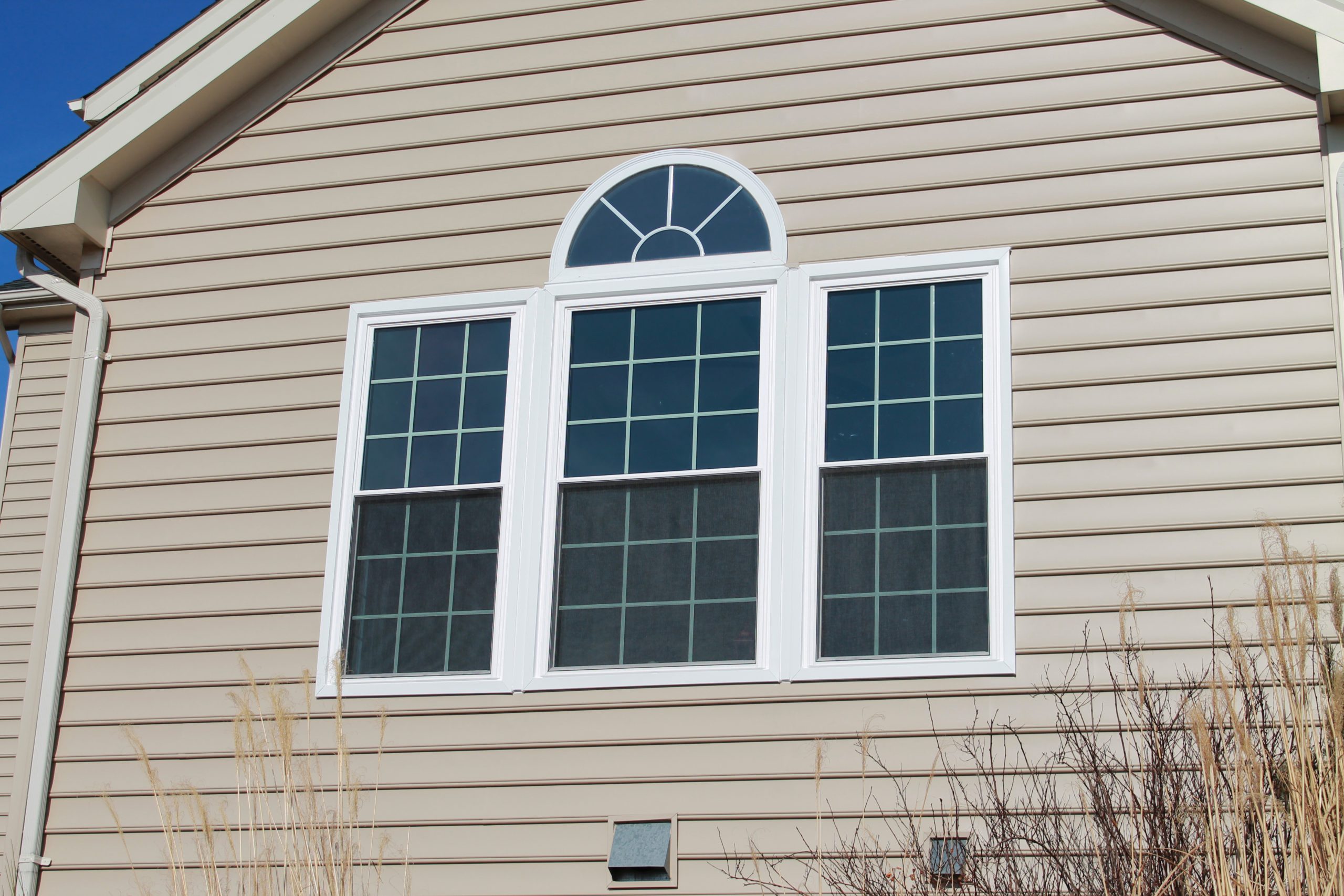
Standard window sizes are generally more affordable than custom or oversized designs. Specialty shapes, such as arched or bay windows, typically increase the overall cost.
Frame Material
Vinyl windows are often the most budget-friendly option, while wood or fiberglass frames tend to cost more due to their appearance and durability.
Glass and Energy Efficiency Features
Upgrades such as double- or triple-pane glass, low-E coatings, and gas fills improve efficiency but can raise the initial price. However, these features often lead to long-term energy savings.
Installation Complexity
Homes with difficult-to-access windows or structural issues may require additional labor, which can increase costs. Replacing windows in older homes may also involve extra work to address existing damage or outdated construction methods.
The Value of New Windows
While cost is an important consideration, it is equally important to look at the long-term benefits. Replacement windows can significantly improve your home’s comfort by reducing drafts and maintaining consistent indoor temperatures. Many homeowners also notice quieter interiors and easier window operation.
Energy-efficient windows can help lower heating and cooling costs over time, making them a smart investment. In addition, new windows enhance curb appeal and can increase your home’s resale value.
For a real example of this process, see our Fairfax window and patio door project, including how the HOA approval worked.
Planning Your Project with Confidence
Understanding the timeline, process, and cost factors makes window replacement much more manageable. With proper planning and the right contractor, the project can move smoothly from consultation to completion.
If you are interested in upgrading your home with new windows, contact Sunshine Contracting today to schedule your free consultation. Our team will guide you through every step, from product selection to installation, and help you choose windows that fit your home and budget.